Coordinating policy efforts across high-income countries to address one of the world's most neglected public health crises.
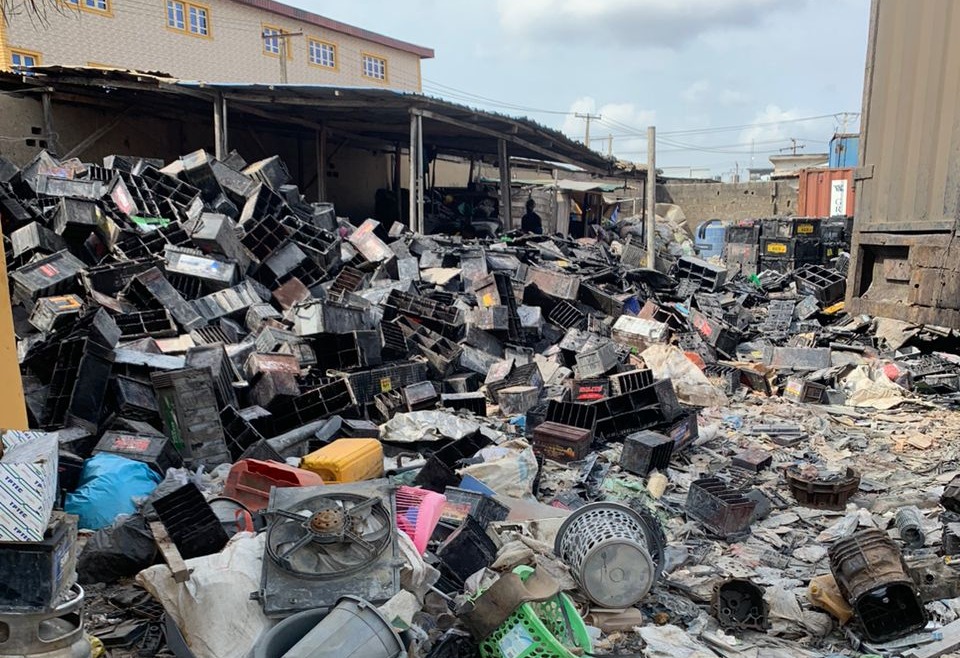
Lead poisoning is one of the most pressing and neglected public health crises in low- and middle-income countries. A leading driver is the recycling of used lead-acid batteries — found in virtually every vehicle, off-grid solar system, and e-rickshaw across the developing world.
In many countries, this recycling happens in open fires or uncontrolled smelters that blanket surrounding communities in lead dust, causing irreversible cognitive damage to children living nearby.
"Unsafe recyclers receive the same market price as safe ones. Opacity protects this system — and puts responsible actors at a disadvantage."
The problem persists because of a market failure: buyers in high-income countries do not differentiate between lead sourced safely and unsafely. As long as supply chains remain invisible, there is no incentive to change.
The United States is the single largest buyer of recycled lead exports from Nigeria and Ghana — two countries with extremely limited verified safe recycling capacity. Yet no federal law requires manufacturers or importers to disclose where that lead originates.
The Coalition for Responsible Lead Sourcing coordinates policy efforts across high-income countries to close that gap.
Modeled on the conflict minerals framework of Dodd-Frank Section 1502, we pursue supply chain disclosure requirements that create the transparency incentives the market currently lacks.
Developing and advancing supply chain disclosure legislation in the U.S. and allied countries requiring companies to verify and disclose lead sourcing practices.
Supporting hearings and oversight that compel industry accountability and establish the evidentiary foundation for durable legislative reform.
Coordinating with NGO partners, researchers, and policymakers across jurisdictions to build the political will necessary for meaningful change.
We are seeking Legislative Policy Interns for Summer 2026 to support our U.S. policy work. Interns contribute directly to legislative strategy, stakeholder engagement, and research informing real policy proposals.
Responsibilities
For internship applications or partnership inquiries, reach out directly.
contact@cleanlead.org